
FINDING SURFACe
From the 19th to 20th centuries, surface is an unfolding concept for the Impressionists, Post-Impressionists, and Modernists.
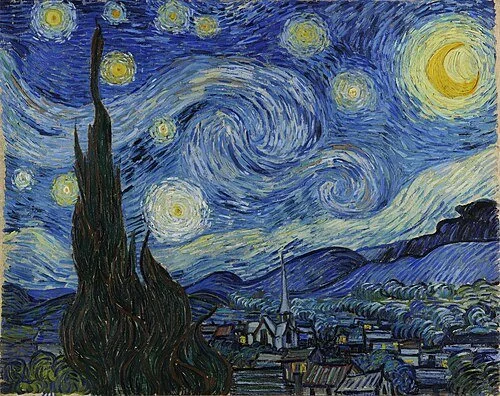
From Monet, van Gogh imbues the psychological torment of existence through the almost serene The Starry Night.
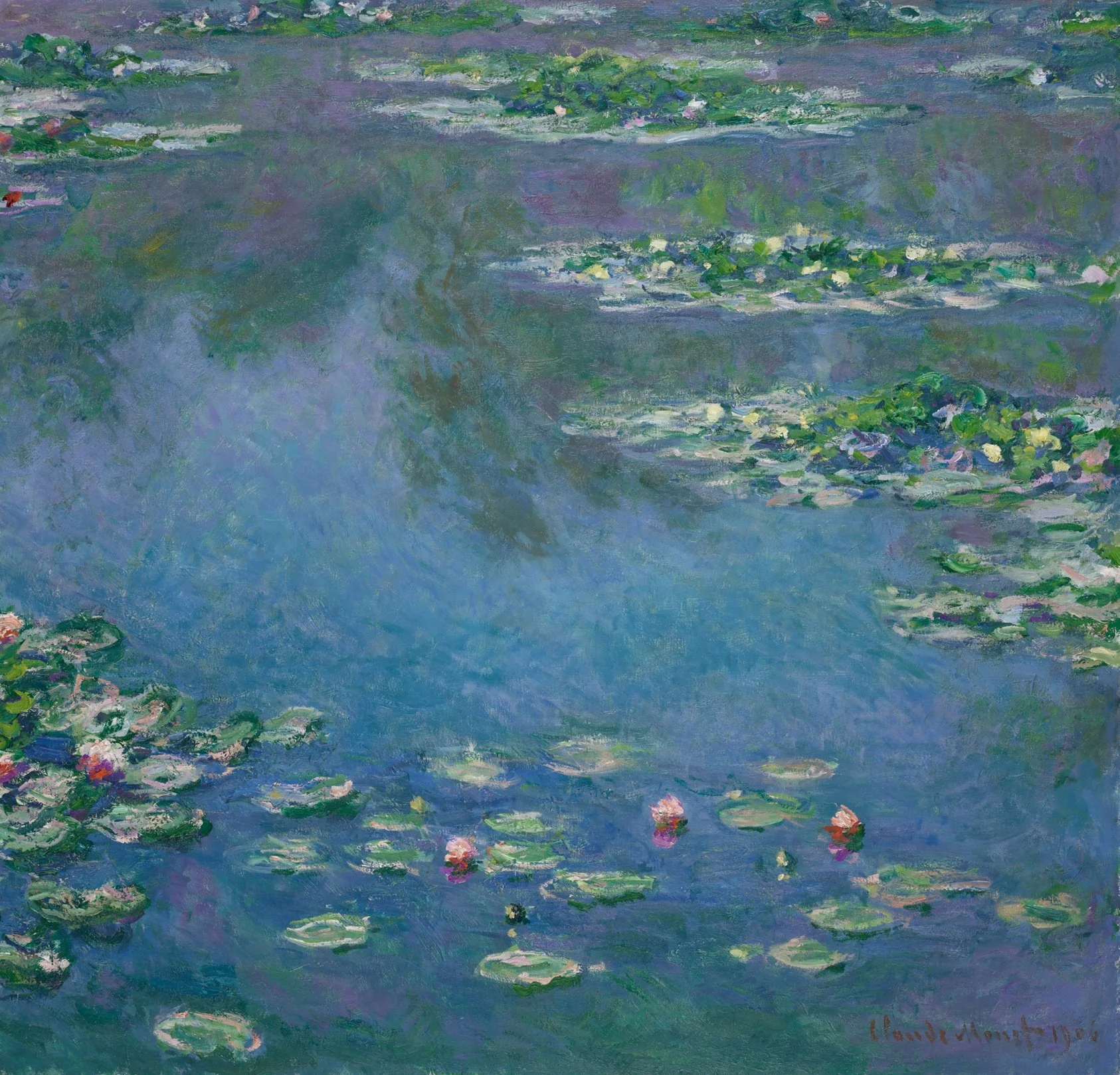
Monet spearheads transforming paint and brushstroke into fleeting perceptions of the landscape and city life (here, Water Lilies).
For Manet and Cézanne, the stage was set for the canvas as a place for spatial experimentation.

Cézanne makes an assertion that space can be created through more abstract forms, such as the landscape through choppy brushstroke in Mont Sainte-Victoire.
Manet’s paintings, such as Luncheon on the Grass, conflate depth to shapes sharing the surface.
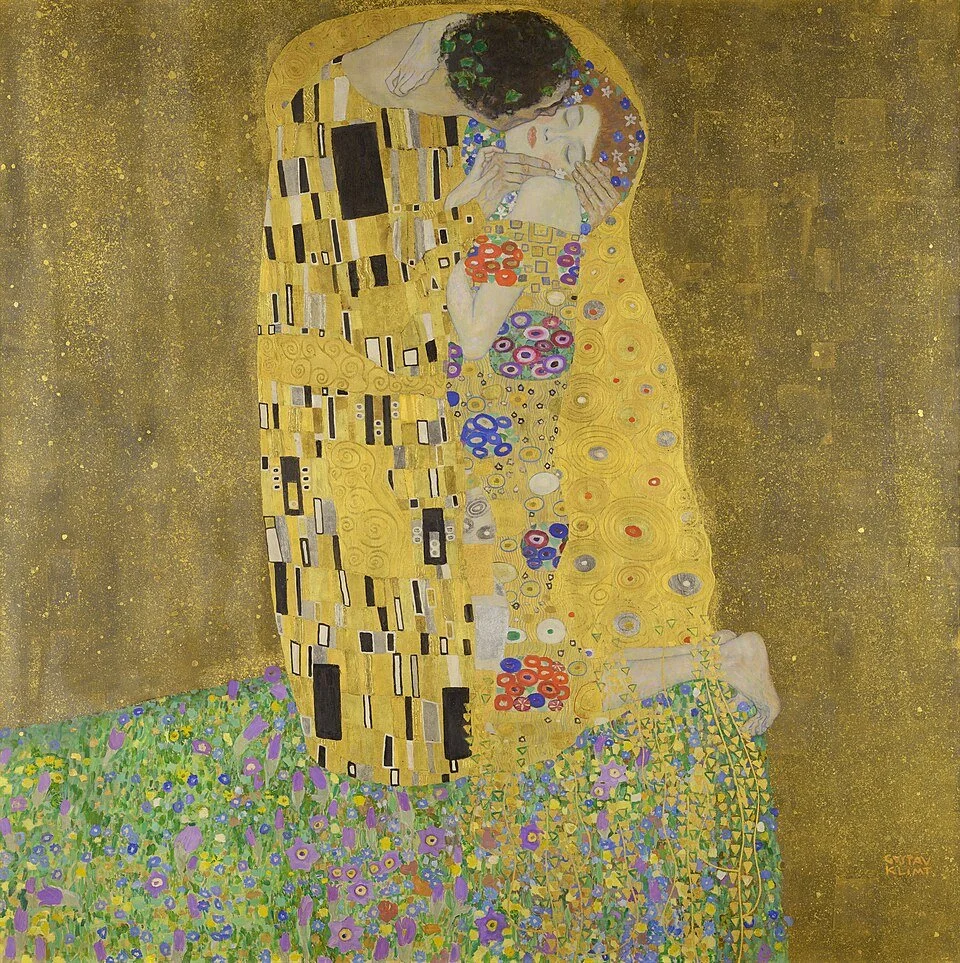
Klimt flattens the surface even more, drawing on the decorative to frame his emotive subjects. In The Kiss, the lovers are shrouded by ornament as they embrace in bliss.