Louise Bourgeois
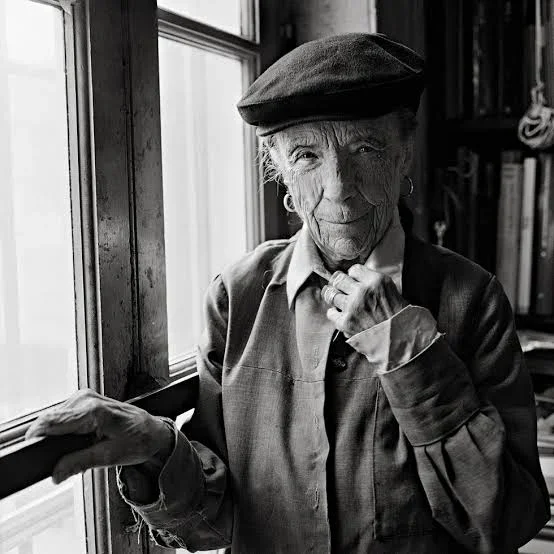
Louise Bourgeois (b. 1911, Paris, France; d. 2010, New York, New York) occupies a pivotal place in 20th-century art, her work bridging Surrealism, Abstract Expressionism, and feminist interventions with a singularly psychological lens. Across sculpture, drawing, and installation, Bourgeois explored the body, memory, and domestic space, transforming intimate experience into monumental forms that confronted trauma, desire, and the unconscious. Historically, she challenged the presumed neutrality of modernist abstraction, asserting that emotional and corporeal experience could be the organizing principle of form, and in doing so laid the groundwork for generations of artists engaging with identity, sexuality, and affect in both figurative and abstract registers.
artworks
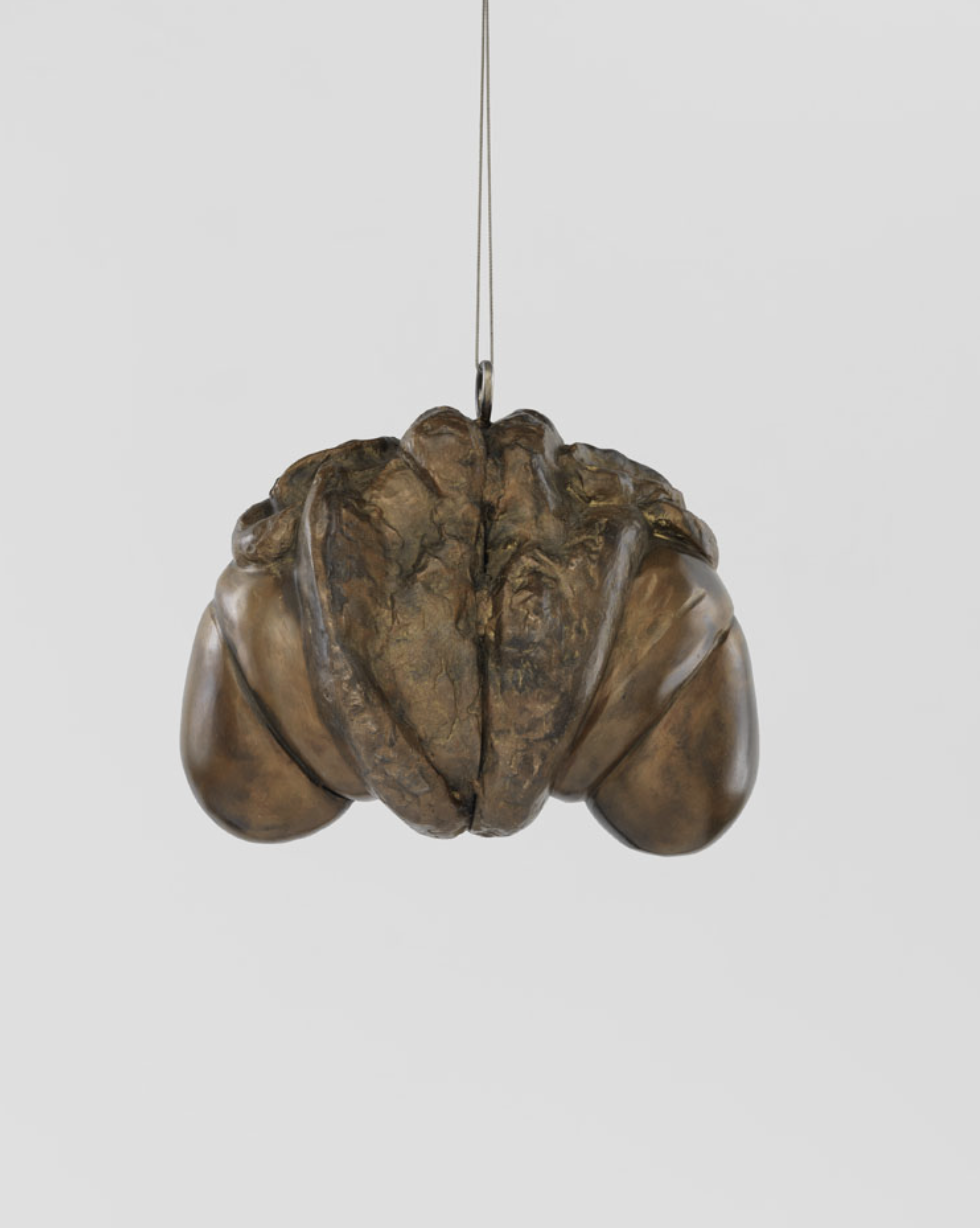
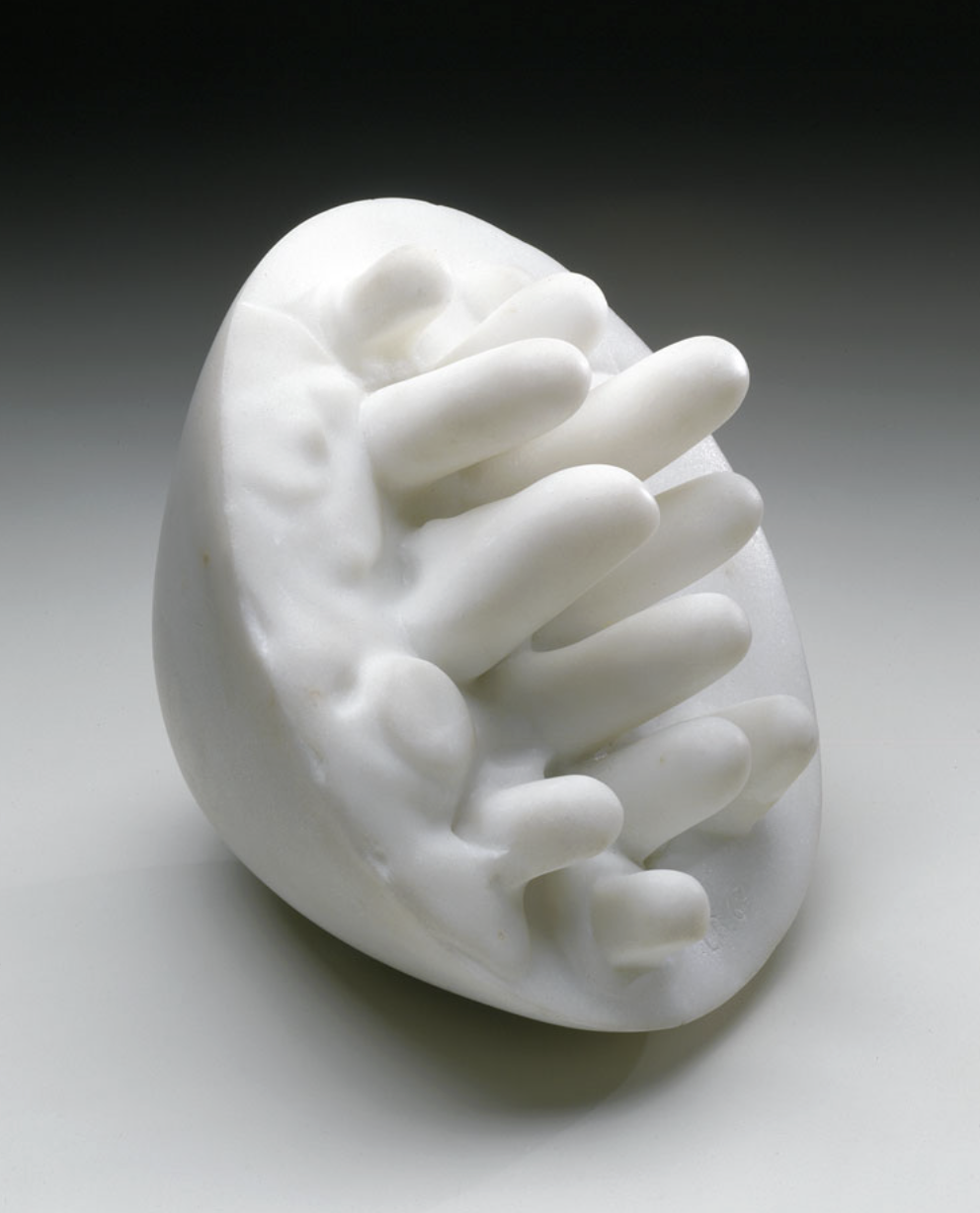
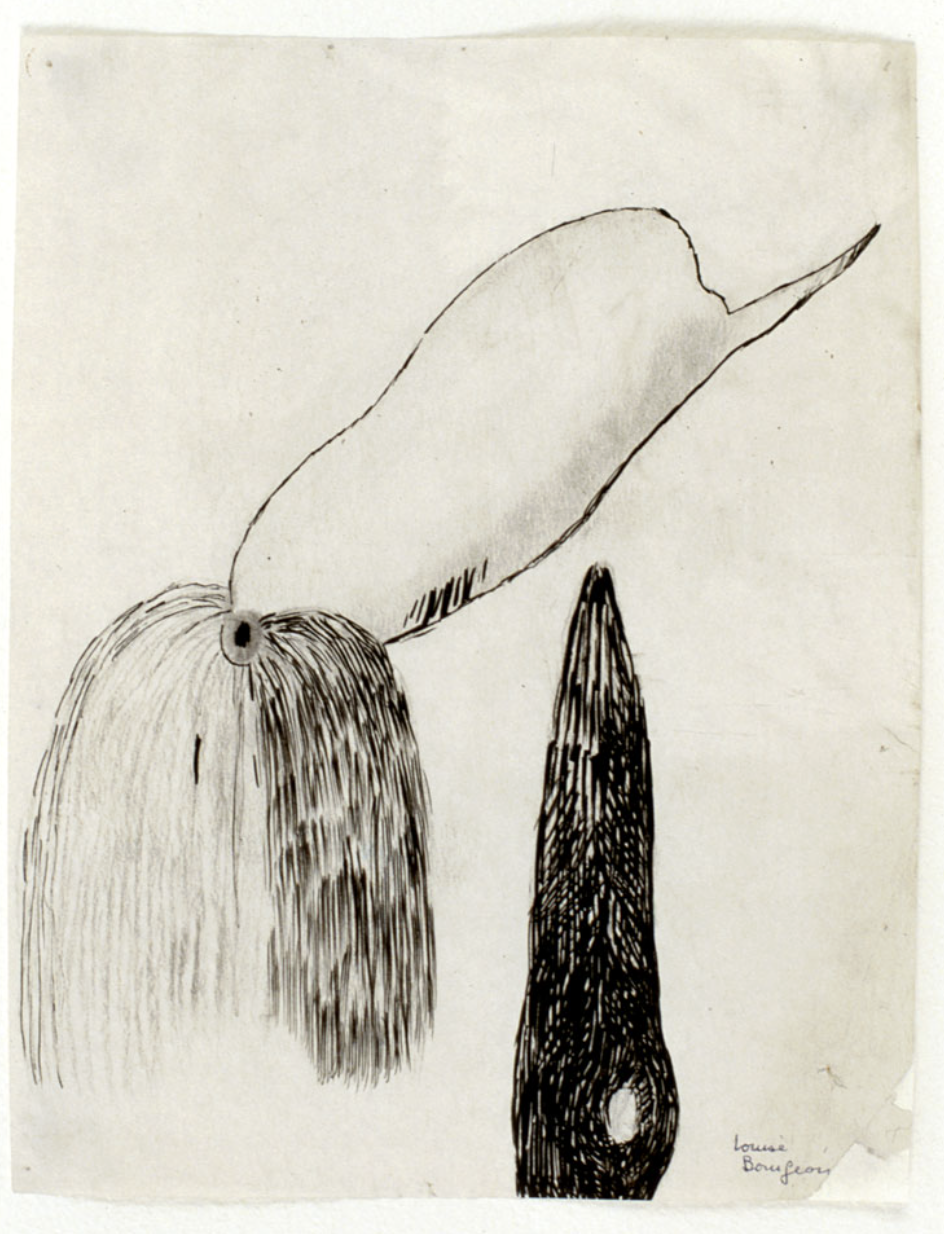
Taken together, these works map out Bourgeois’s deepening negotiation between mark, material, and bodily metaphor. The 1948 drawing’s flickering lines presage the corporeal concerns that would become more tangible in Germinal’s marble, where body markers coalesce and resist easy categorization, and then find spatial animation in Janus Fleuri, whose suspended, biomorphic bronze embodies duality and flux. Across media, Bourgeois moves from indexical trace toward sculptural embodiment, maintaining a persistent tension between abstraction and the resonances of lived, affective form.